
Menu
Website Design & Development
1930-1939
Cricket in Changing Times
Resilience, Distinction, and the Defence of Rectory Park
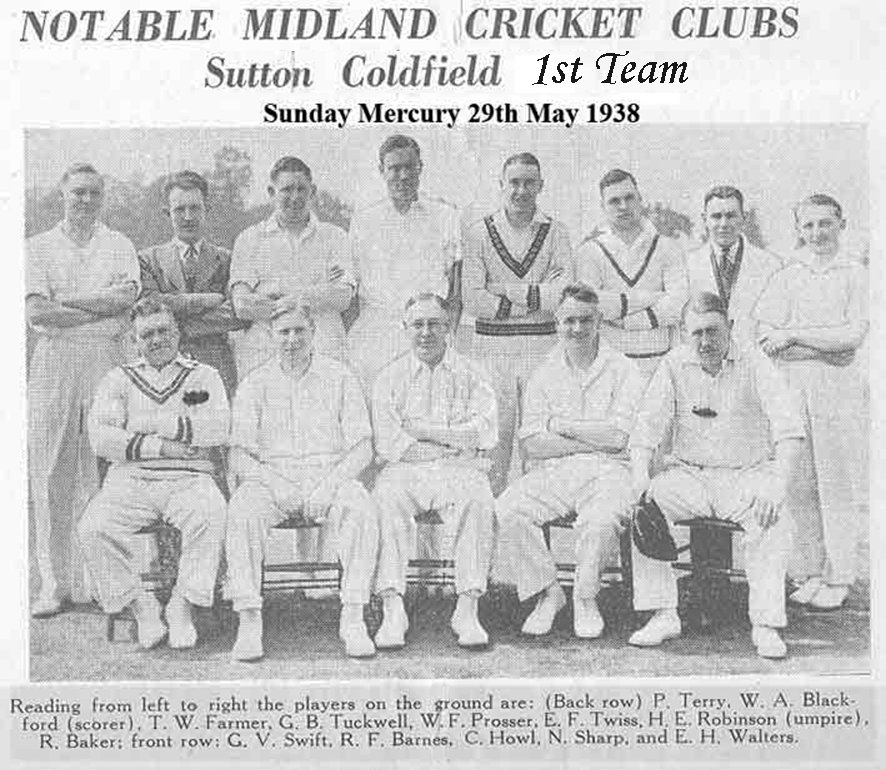
The Thirties, 1930-1939
The 1930s were a testing yet formative period in the history of Sutton Coldfield Cricket Club, shaped by resilience, individual distinction, and an unwavering commitment to tradition.
Set against economic uncertainty, severe weather, and growing international tension, the club continued to uphold the values and standards established in its earlier years. Although results fluctuated, Sutton Coldfield remained a respected presence within Midlands cricket, sustained by strong leadership and a deep sense of purpose.
On the field, the quality of cricket remained consistently high. The decade featured county players, international representatives, and outstanding all-round sportsmen in Sutton colours, producing memorable performances at Rectory Park. Fine batting, skilful bowling, and notable partnerships characterised many matches, even during seasons disrupted by rain or constrained by limited resources. Capable captains ensured competitiveness and maintained the club's reputation during both successful and difficult campaigns.
Beyond play, the 1930s were marked by transition and consolidation. Long-serving players, officials, and umpires concluded distinguished periods of service, while new figures assumed responsibility, preserving continuity and identity. Investment in facilities and, crucially, the safeguarding of Rectory Park as a permanent open space secured the club's future. As war brought cricket to an abrupt halt in 1939, Sutton Coldfield Cricket Club entered the next chapter of its history with its heritage, home, and community firmly protected.
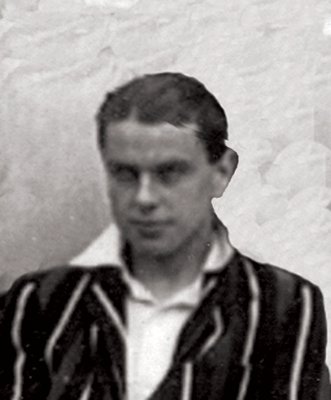
A Sutton Coldfield cricketer photographed in club colours, 1933
Leadership, Continuity, and Service
Throughout the 1930s, Sutton Coldfield Cricket Club benefited from a strong sense of continuity in its leadership, even as long-serving officials and players gradually stepped aside. The decade opened with the appointment of E.H. Walters as Honorary Secretary, a role he fulfilled with diligence and energy until the outbreak of war. His service reflected a wider pattern within the club, where administrative responsibility was regarded as a duty as important as performance on the field.
At the same time, the period marked the retirement of figures whose association with the club stretched back several decades. These transitions were handled with care and respect, ensuring that experience and tradition were not lost but passed on. The stability provided by committed officers and captains allowed the club to navigate fluctuating fortunes without compromising its identity or standards.
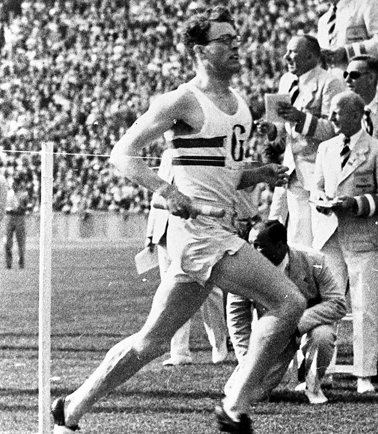
Sutton Coldfield CC, 1936 — the year Arthur G.K. Brown won Olympic gold and silver medals
Cricketing Excellence and Individual Distinction
While team results varied from season to season, the 1930s produced cricket of exceptional quality at Sutton Coldfield. The club fielded players who achieved distinction at county level and beyond, and on occasion welcomed cricketers of international reputation. Individual performances—centuries, remarkable bowling spells, and memorable partnerships—regularly elevated matches, even in otherwise difficult seasons.
The decade was also notable for the breadth of sporting talent within the membership. Several players distinguished themselves in other sports, most notably athletics and hockey, reinforcing Sutton Coldfield's reputation as a club that nurtured all-round sportsmen. These individual achievements brought wider recognition and prestige to the club, strengthening its standing within Midlands cricket.
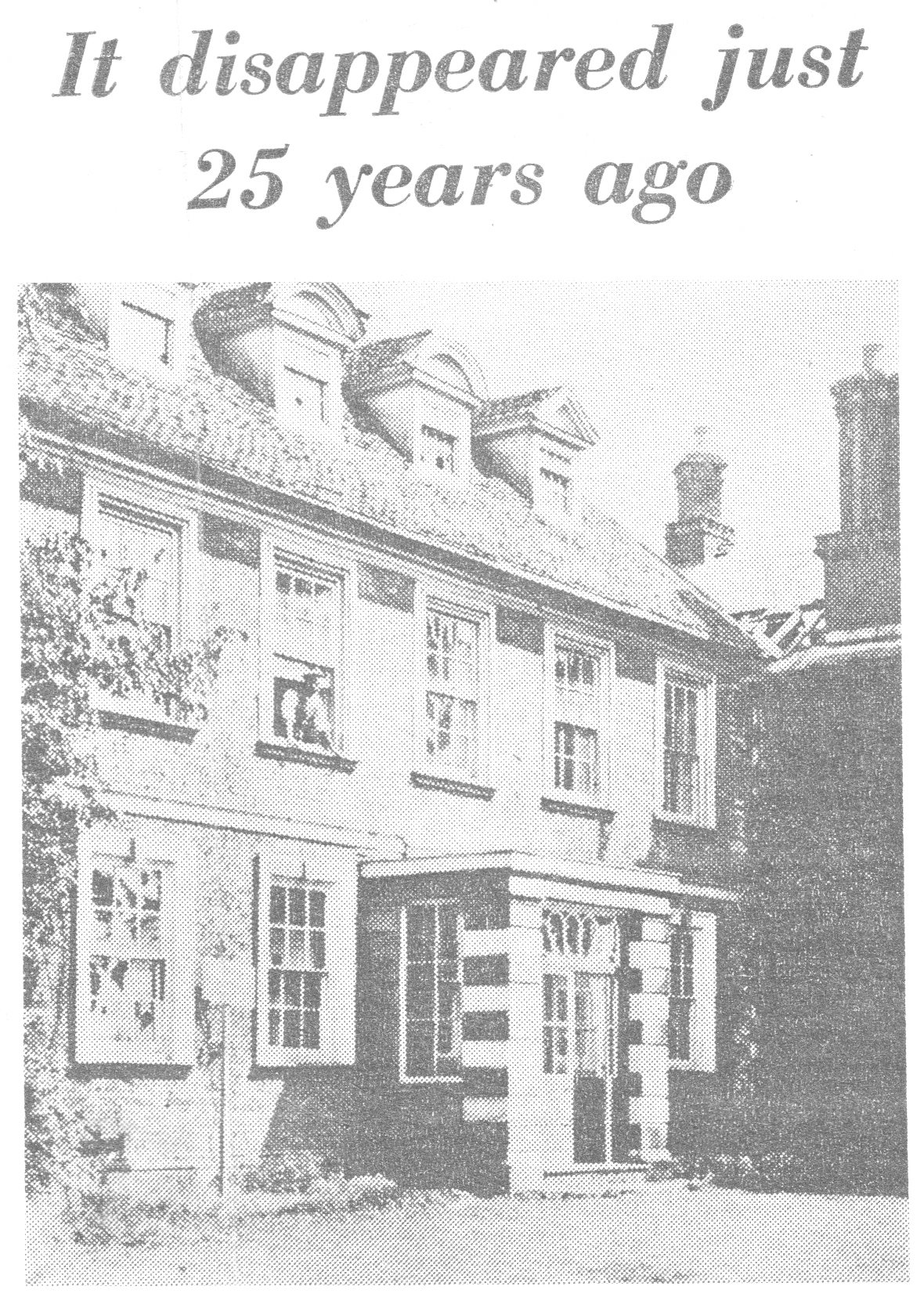
"It disappeared just 25 years ago" — a press cutting on a lost Sutton Coldfield building, from the years in which the future of Rectory Park itself was in question
Facilities, Grounds, and the Protection of Rectory Park
The physical development and preservation of the club's facilities formed a crucial theme of the decade. Practical improvements, such as the installation of new sight screens and the reconstruction of pavilion structures, reflected a determination to maintain modern standards and provide a suitable environment for high-quality cricket.
Most significant was the threat to Rectory Park itself when the landowners considered its sale for building development. Through the intervention of local authorities, the ground was purchased by the Corporation and preserved as an open space. This decisive action safeguarded not only the club's immediate future but also its long-term place within the town, ensuring that cricket at Rectory Park would continue beyond the uncertainties of the age.
Club, Community, and Civic Identity
During the 1930s, Sutton Coldfield Cricket Club remained deeply embedded in the social and civic life of the town. Its presidents and senior members included prominent local figures—doctors, aldermen, and mayors—whose involvement reinforced the club's status as a respected community institution.
Matches, social gatherings, and ceremonial occasions reflected a close relationship between the club and the wider public. The passing of distinguished members, such as Sir Alfred Evans, was felt not only within the club but across the town, symbolising the strength of this connection. In an era increasingly shaped by national and international events, the club continued to serve as a stable focal point for community life.
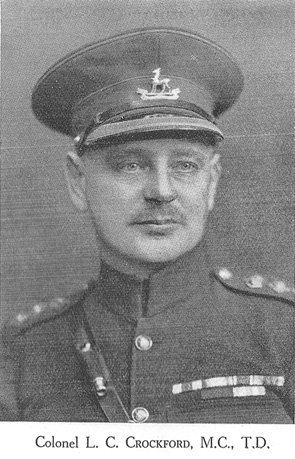
Colonel L. C. Crockford, M.C., T.D. — one of several Sutton cricketers whose military service spanned the years either side of the club's cricket
Uncertainty, Resilience, and the Approach of War
The latter years of the decade were marked by growing uncertainty. Extreme weather disrupted several seasons, testing the resilience of players and administrators alike. Beyond these immediate challenges, the approach of the Second World War cast an ever-lengthening shadow over sporting life.
By 1939, international tensions brought cricket to an abrupt halt, with fixtures cancelled and members preparing for service. The decade closed not with decline, but with interruption. The endurance shown throughout the 1930s—through poor seasons, difficult conditions, and external pressures—ensured that the club entered wartime with its traditions intact and its sense of purpose undiminished.
Key Moments
1930
Continuity and Emerging Talent
E.H. Walters appointed Honorary Secretary, marking administrative transition
1931
Strength, Stability, and Success
Nine victories achieved with E.H. Walters as captain
1932
Loss, Renewal, and Investment
New sight screens installed at Rectory Park
1933
Farewells and Transition
Reconstruction of the lower ground pavilion
1934
High Scoring and New Blood
Season characterised by prolific batting and remarkable run totals
1935
A Difficult Campaign
Only three victories recorded during a challenging season
1936
Weather and Wider Recognition
Arthur G.K. Brown won Olympic gold and silver medals
1937
Honouring Service and Legacy
Death of President Sir Alfred Evans ended 66-year association
1938
Leadership and Security
Rectory Park purchased by the Corporation, securing the club's future
1939
An Abrupt End to an Era
Outbreak of the Second World War brought cricket to an abrupt end
"The endurance shown throughout the 1930s ensured that the club entered wartime with its traditions intact and its sense of purpose undiminished."
Jump to New Decade
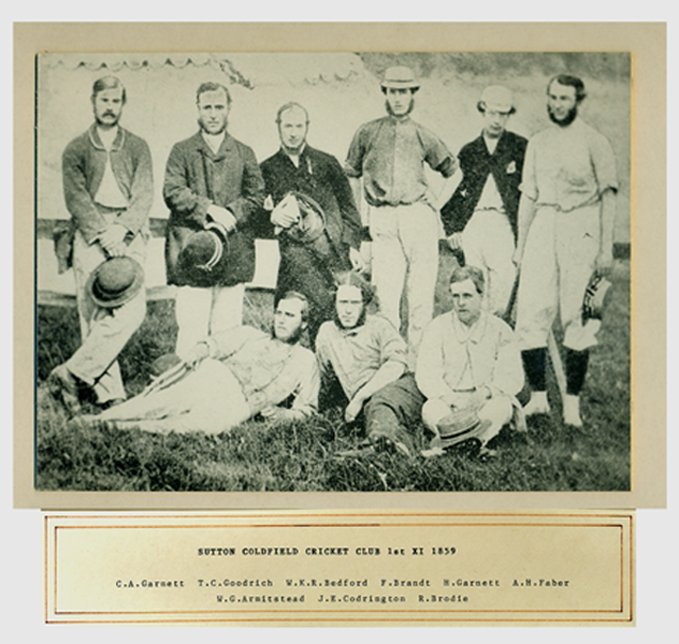
Foundations Before Formation
1837-1847
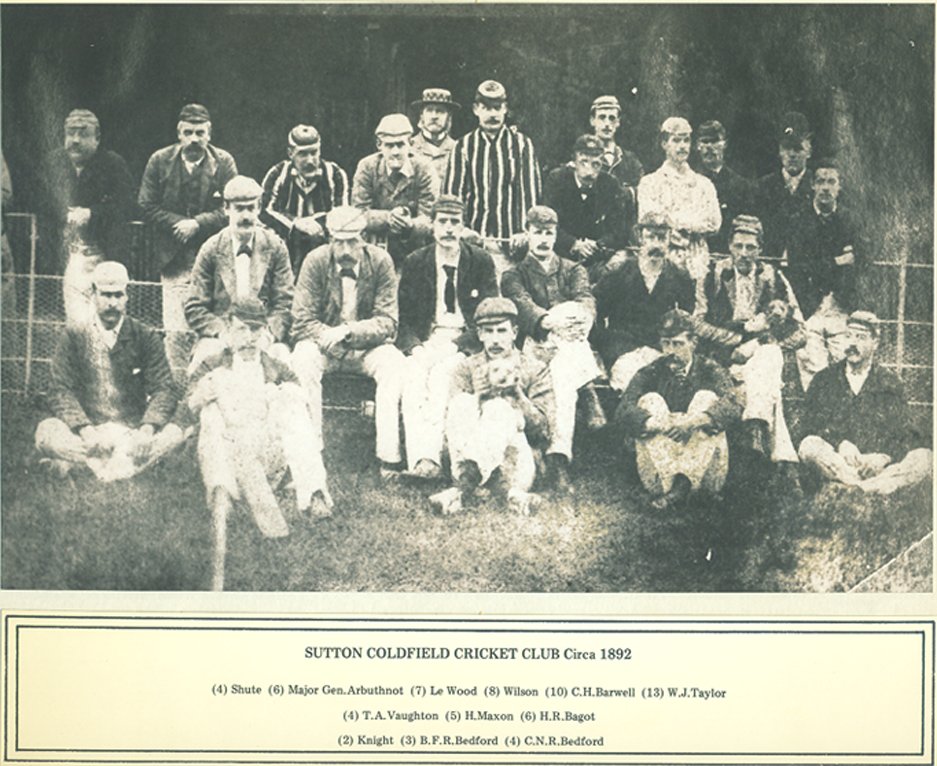
The First Fifty Years
1847-1899
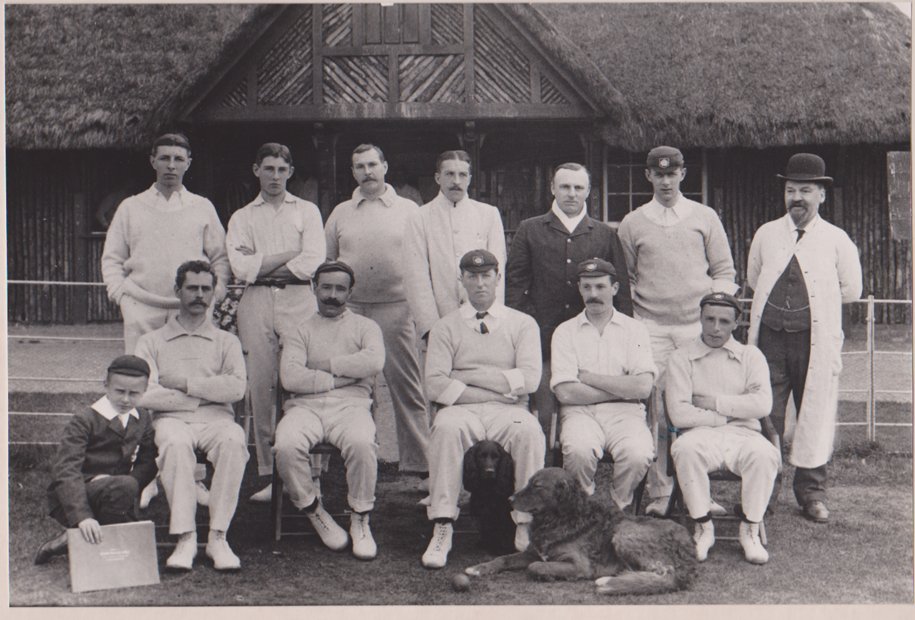
A Time of Change and Uncertainty
1901-1909
A Decade of Transition and Challenge
1910-1919
The Golden Resurgence
1920-1929
The Thirties
1930-1939
Wartime and Renewal
1940-1949
The Fabulous Fifties
1950-1959
Transformation and Tradition
1960-1969
Dixon's Decade
1970-1979
Trophies and Tragedy
1980-1989
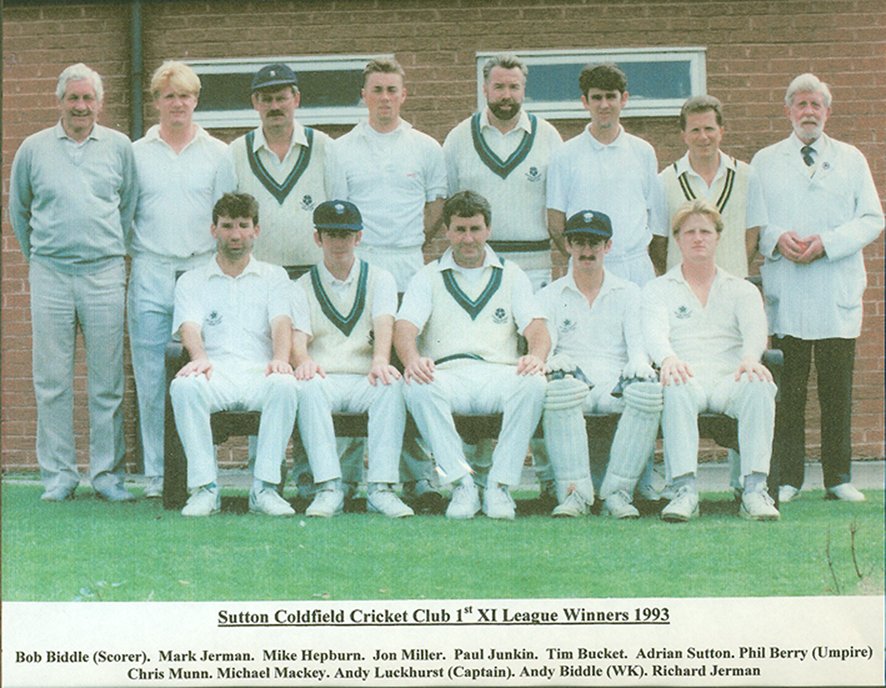
Champions at Last
1990-1999
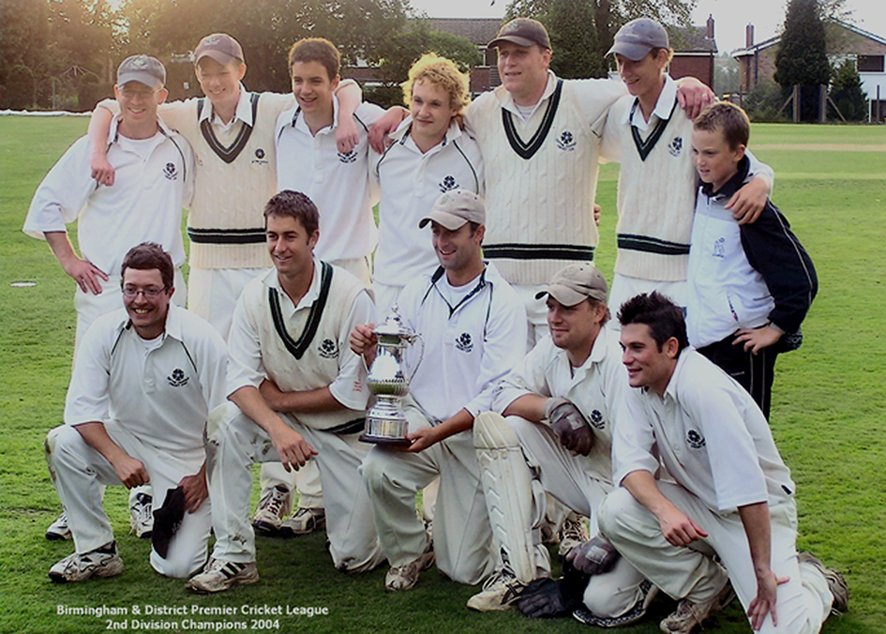
The New Millennium
2000-2009
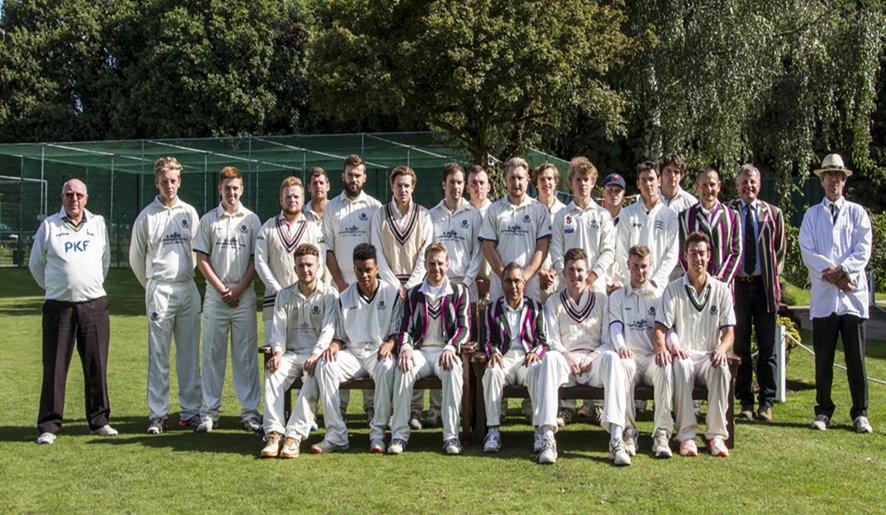
The Twenty-Tens
2010-2019
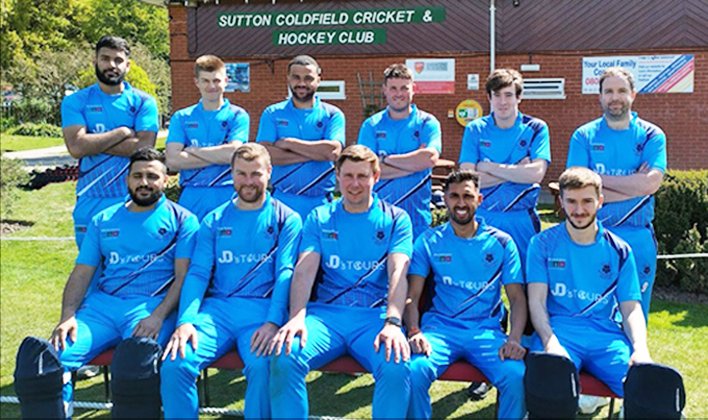
The Twenty-Twenties
2020-Present